AI in Cuisly: how it works, security and reliability
What AI can bring to your kitchen, how to read its suggestions and why your judgement still matters.
In this article
Culy, the Cuisly AI assistant, generates recipes, dish images, grocery lists and full menus. It is handy, but it raises three fair questions: how does it work, what happens to your data, and how far should you trust it? Here are straight answers.
How Culy works
Culy relies on large language models trained on huge text corpora, including recipe databases, culinary descriptions and technique guides. From your request, even a very short one, it composes a structured recipe: ingredients, quantities, steps, preparation time.
In Cuisly, you choose which model answers, among three state-of-the-art engines, or let the app pick the most suitable one automatically. On iPhones that support Apple Intelligence, some requests are processed directly on the device, without going through the Internet. On other devices, requests go through Cuisly’s secure backend to the cloud models.
Generated recipes and images
A generated recipe is a coherent starting point, not a kitchen-tested recipe. It is editable at any time: once saved, it becomes one of your recipes, which you can tweak as much as needed.
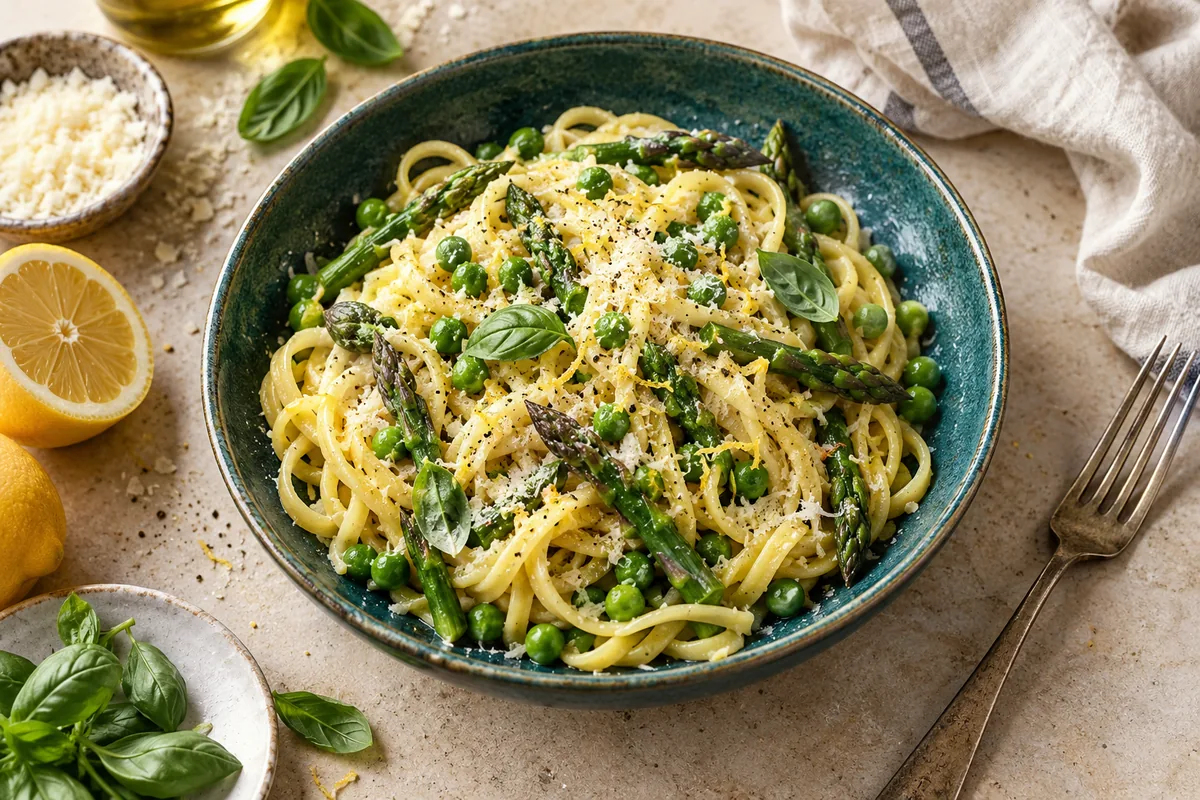
Dish images, available with the Premium plan, help you picture the idea. They are an artistic interpretation by the model: appetising, but not a photo of what you will actually get.
Your data
Cuisly never reuses your conversations or recipes to train a model. Your exchanges with Culy are tied to your account, protected by your authentication, and transmitted encrypted. Message quotas are checked server-side, which guarantees an accurate balance on any device.
Your recipes stay stored on your device, optionally synced through iCloud with the Plus and Premium plans. Processing complies with the GDPR, and you can request access to or deletion of your data at any time.
Is Culy reliable?
Plainly: it is a tool, not an oracle. It excels at generating ideas, structuring a recipe, suggesting variations or adjusting servings. It can also get things wrong: an approximate proportion, an optimistic cooking time, a surprising pairing when the request is too vague.
- Check quantities and cooking times on recipes that matter, as you would with a recipe found online.
- Be specific: “a quick pasta dish for two, dairy-free” gives a far better result than “an idea”.
- Use the reasoning modes for complex requests, such as a balanced weekly menu: the answer is more thorough.
Built-in safeguards
Cuisly combines AI with culinary rules and consistency checks: step integrity, plausible quantities, respect for the allergies and diets you declared. When a recipe looks shaky, the app offers to improve it or to ask for an alternative rather than claiming it is perfect. And every answer can be flagged in one tap if something is off.
In short
The Cuisly AI is a smart assistant, not an absolute truth. It saves time, inspires and structures; your judgement remains essential for taste, cooking and safety. That is exactly the frame we stand by: AI in service of your cooking, never in your place.
See Culy in action
Fridge photo, three models to choose from, generated grocery lists: everything is detailed in the Cuisly AI announcement.
Discover Cuisly AI